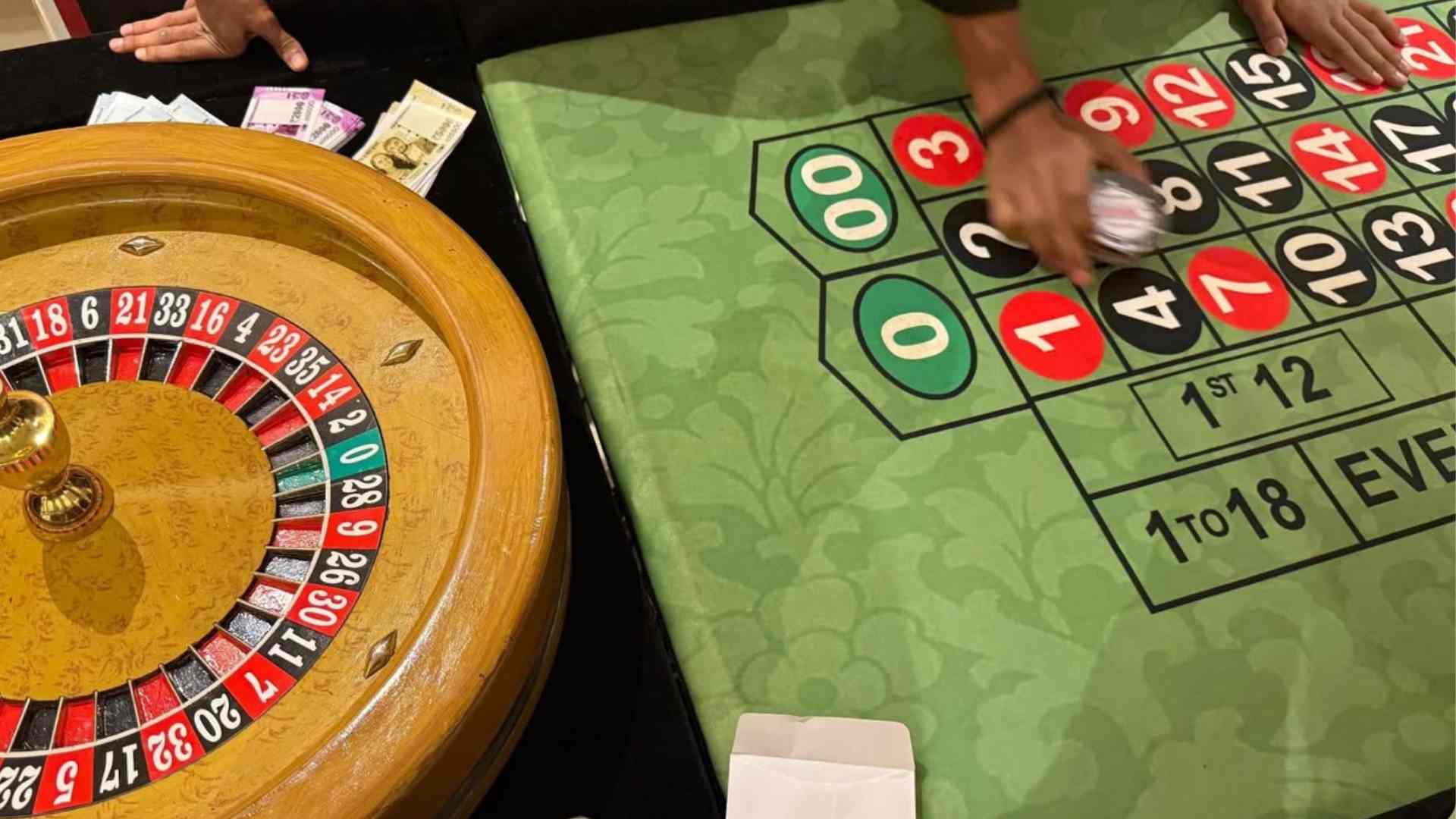
The variety of mechanics in contemporary game design ensures that a single foundational concept can be modified to satisfy entirely different player preferences. Spinning wheels have evolved significantly from basic random selection tools into highly tailored engagement systems. By adjusting variables such as volatility, thematic presentation, and reward complexity, developers can create distinctly unique experiences for different audiences.
The Appeal of High Volatility and Multipliers
Risk-tolerant players are naturally drawn to wheel designs that feature dramatic prize variations and unpredictable shifts. These configurations often include high-value segments placed right next to empty slots or minor penalties, intensifying the dramatic tension of each rotation. The inclusion of multiplier segments amplifies this thrill, making every near-miss feel like a crucial turning point.
For these individuals, the entertainment value comes from testing their luck against challenging odds rather than collecting small, frequent payouts. Modern interactive platforms balance these layouts carefully to ensure that the risk feels justified and transparent. Enthusiasts seeking reliable directories and updates on these dynamic gaming setups frequently visit the wd boss link to analyze contemporary platform features.
Predictable Reward Paths for Casual Gamers
In stark contrast to high-risk configurations, many casual players prefer stable wheel mechanics that prioritize consistent positive reinforcement. These designs ensure that every single segment offers something of practical value, completely removing the frustration of walking away empty-handed. Progressive tier systems are often utilized here, allowing users to unlock slightly better wheels after a set number of standard spins.
This methodology converts an experience based entirely on luck into a relaxed journey centered around steady progression and stress-free entertainment. The straightforward interface allows participants to unwind without having to calculate complicated strategies or risk substantial resources. Consequently, these formats remain incredibly popular within mobile applications and daily loyalty programs.
Thematic Variety and Narrative Integration
For a large segment of the global gaming audience, visual aesthetics and immersive storytelling matter just as much as the underlying mathematical framework. Turning a basic circular menu into a mythical artifact, a futuristic control panel, or a vintage game show stage instantly changes how a user connects with the game. Audiences who enjoy deep thematic elements are far more likely to stay engaged when the wheel matches their personal aesthetic tastes.
When developers tie the outcomes of a spin directly into an unfolding story or a character's progression, the mechanic feels less like an isolated mini-game and more like a meaningful milestone. This creative integration satisfies players who view digital recreation as a form of interactive exploration. By prioritizing rich artistic design, developers successfully elevate simple rotational motion into a memorable narrative event.
Tactile Interfaces and the Future of Customization
The modern digital environment continues to introduce fresh interface styles that give players a greater sense of physical control over virtual components. Swipe-to-spin mechanics, physics-based decelerations, and customizable prize layouts let users feel like their input directly shapes the final result. This level of personalization appeals heavily to tech-savvy players who demand high responsiveness from their software ecosystems.
Ultimately, the enduring popularity of wheel-based games comes from this incredible operational flexibility. Whether a person wants high-stakes drama, a relaxing reward loop, or a visually stunning story element, there is a specific configuration built to satisfy that desire. Understanding these diverse player motivations allows contemporary creators to keep traditional spinning mechanics completely relevant for future generations.