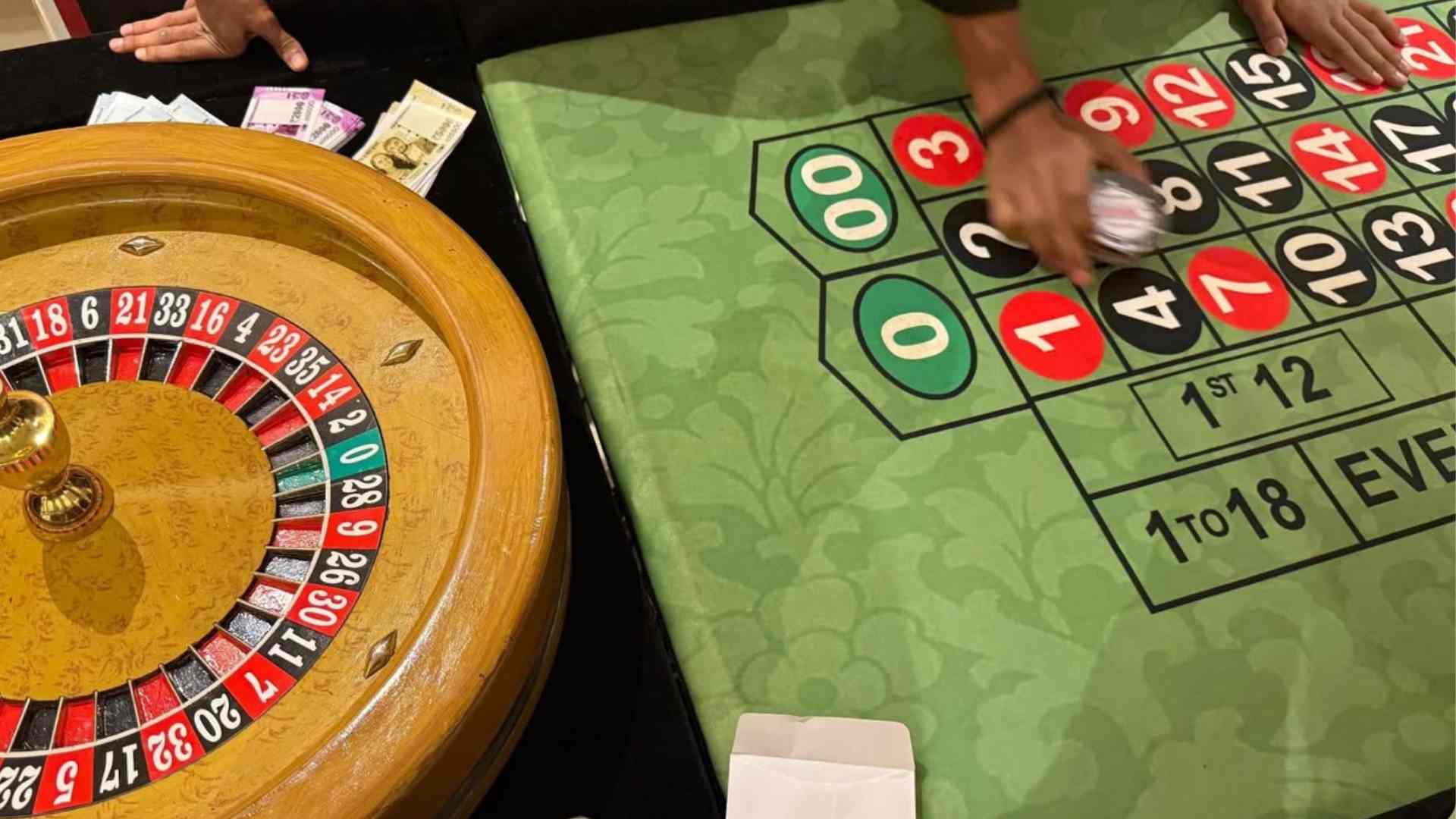
The transition of traditional card games into the digital landscape often reveals a fascinating story of cultural resilience and structural adaptation. Long before automated software standardized table rules, classic card rooms across Europe operated on precise manual rituals and highly social behavioral codes. Exploring how these ancient practices managed to endure provides critical insight into the evolution of global gaming entertainment.
The Sophisticated Social Ritual of Exclusive Salons
In nineteenth-century Europe, gaming spaces functioned as secluded enclaves reserved for deep concentration and quiet socialization among the elite class. Table layouts were carefully structured to encourage face-to-face engagement and collective accountability during every round. This refined environment treated card play as a formal ceremony rather than a series of rapid transaction speeds.
Participants adhered to unwritten rules of etiquette that emphasized mutual respect and psychological discipline above simple mathematical guessing. The tactical rhythm depended heavily on physical interactions, turning each distribution into a shared experience. These enduring structural foundations laid the groundwork for contemporary table designs that still prize human engagement.
The Evolution of Shared Responsibilities and Manual Dealing
Early variations of traditional baccarat required players to actively share the burden of managing the game funds. Instead of a centralized corporate house assuming total financial risk, individual participants took turns acting as the banker. This fluid distribution of power altered the psychological environment, demanding immense vigilance and personal responsibility from everyone present.
Dealers and croupiers also played a foundational role by executing precise physical gestures to maintain order and ensure absolute fairness. Modern enthusiasts who want to witness how these classic elements converted into portable software solutions can explore the options provided by the m88 apk on their mobile devices. This shift showcases how ancient rituals safely adapted to contemporary entertainment standards without losing their core competitive appeal.
Preserving Natural Totals and Mathematical Principles
The mathematical framework governing traditional hand evaluation has remained remarkably consistent across several centuries of gaming history. Unlike modern tabletop alternatives that rely on intricate side wagers, classic variants focus entirely on a straightforward single-digit scoring system. Achieving an immediate resolution through specific natural card combinations continues to define the strategic baseline for players globally.
Understanding the strict drawing conditions allows modern participants to intuitively follow the game flow without relying on digital monitors. This blend of simple calculation and structural certainty explains why historical rules retain such a powerful psychological pull. By studying these foundational systems, table lovers develop a much deeper appreciation for the historical continuity of casino mathematics.
The Lasting Cultural Legacy in a Centralized Era
While contemporary casino floors prioritize rapid transaction velocities and streamlined automation, the underlying spirit of early gaming culture survives. The quiet respect and strategic depth nurtured in historic French salons continue to influence how global audiences perceive premium table games. Recognizing this historical journey helps players bridge the gap between ancient manual customs and fully automated platforms.
Ultimately, the survival of old baccarat customs proves that meaningful human choices and shared social context are timeless components of recreation. Shifting our focus from superficial betting patterns to these rich systemic heritages allows us to engage with tabletop media more intelligently. The modern era does not replace the past but rather provides a broader digital canvas to preserve its most captivating traditions.