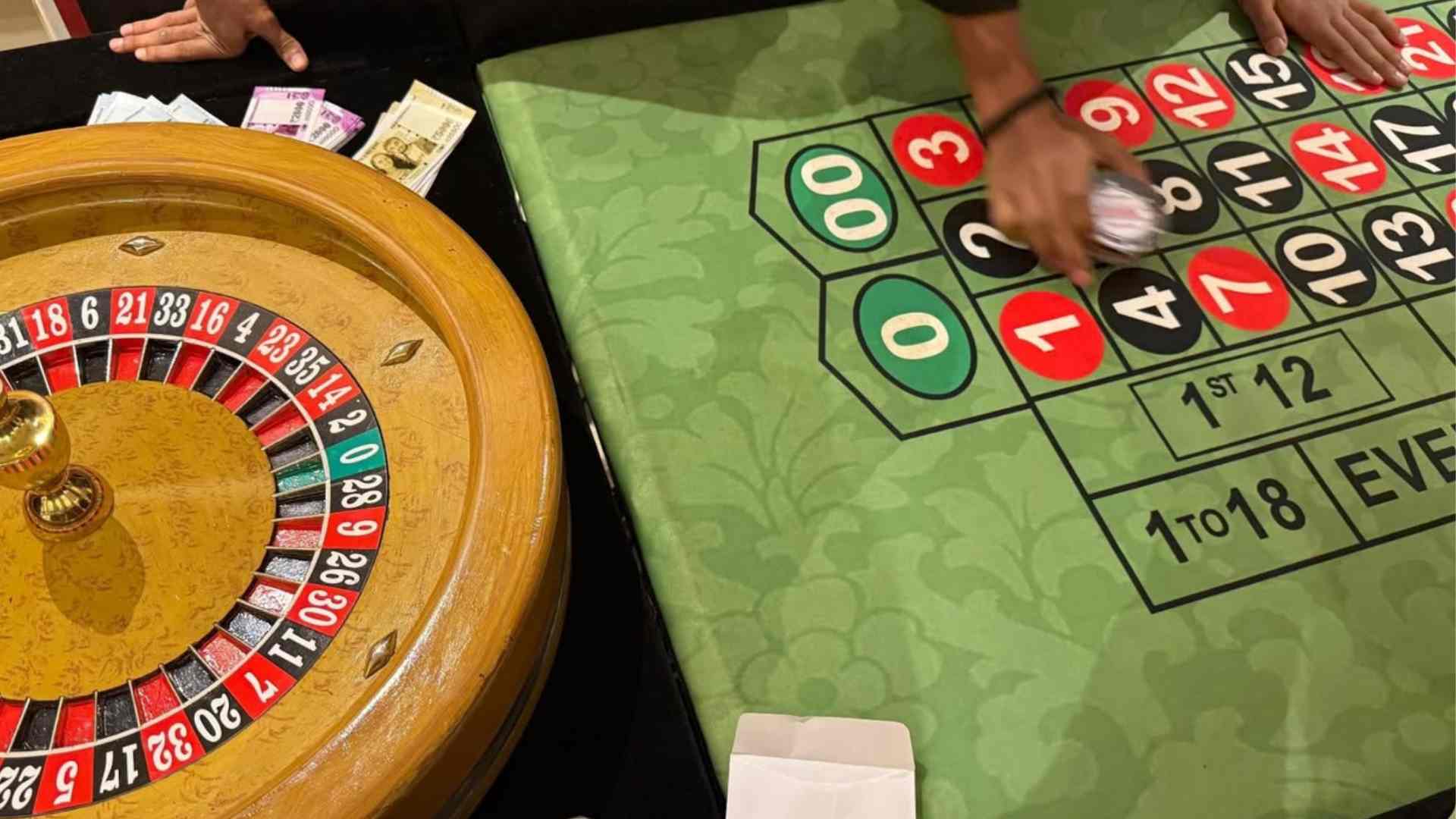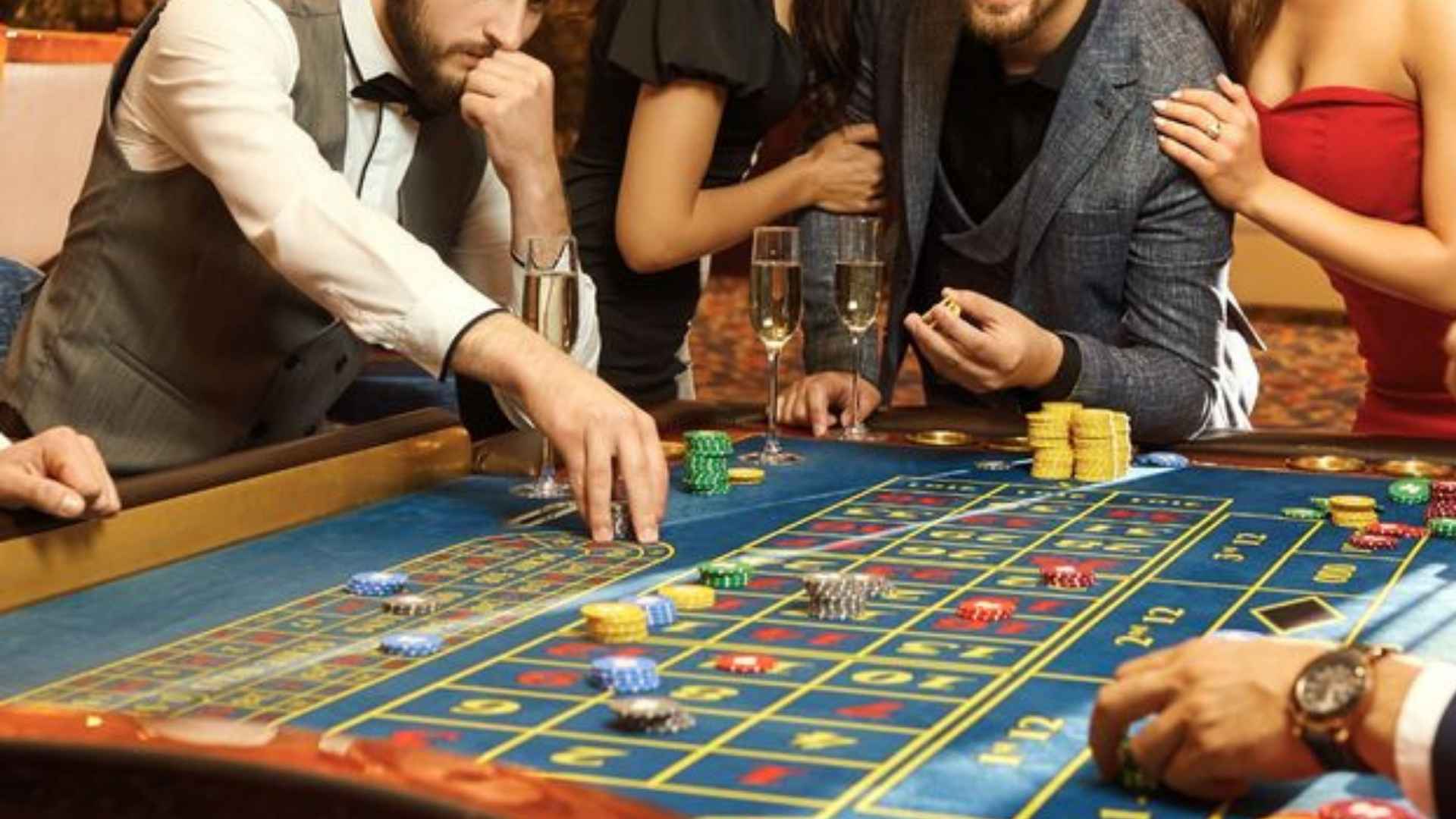
Watching a random wheel slow down and land on a winning segment often generates excitement for everyone in the room, even those who gain nothing personally from the outcome. Human social dynamics allow us to experience genuine joy when observing another person secure a victory in an unpredictable game. Understanding the cognitive mechanisms behind vicarious celebration reveals why collective excitement happens so naturally during visual, chance-based events.
The Neural Foundations of Vicarious Joy
Human brains possess specialized neural networks, often referred to as mirror systems, that allow us to simulate the emotions and actions of people around us. When we see a colleague or peer erupt in excitement after a lucky spin, our brain mirrors that emotional state internally. This automatic biological reaction enables observers to feel a rush of happiness similar to the actual winner's experience.
Empathy plays a fundamental role in transforming another person's success into a shared social moment. Rather than viewing the event through a lens of rivalry, spectators naturally project themselves into the winner's position. This empathetic link makes the visual suspense of a spinning wheel feel personally meaningful to everyone watching.
Shared Suspense and Collective Emotional Release
Random spins build a unique form of tension that grips an entire group simultaneously as the wheel gradually decelerates. Everyone observes the exact same visual movement, creating a synchronized state of heightened focus and anticipation. When the pointer finally rests on a prize section, the sudden release of built-up tension triggers immediate cheer across the room.
This shared anticipation turns a basic randomized draw into an interactive social milestone. Many modern digital platforms and community hubs, such as m88 ทางเข้าสํารอง, utilize transparent probability mechanics to offer engaging, real-time events for diverse audiences. When groups witness impartial visual tools decide outcomes together, the final moment naturally fosters camaraderie and lighthearted social bonding.
The Equalizing Power of Pure Chance
Unlike skill-based contests where strategic superiority might create envy, games of pure chance level the playing field completely. Spectators know that the winner did not outsmart them, which eliminates feelings of inadequacy or resentment. Because no effort or calculated advantage influenced the spin, bystanders can celebrate the outcome without feeling defensive about their own standing.
This perception of absolute neutrality encourages a supportive environment where positive emotions flourish freely. People enjoy witnessing unexpected good fortune strike someone in their circle because it reinforces a sense of universal possibility. The total unpredictability of a rotating wheel reminds observers that luck can shift toward anyone at any moment.
Social Connection Through Shared Happiness
Celebrating someone else's good fortune strengthens interpersonal relationships and boosts overall group cohesion. Expressing genuine excitement for a peer builds trust and demonstrates strong prosocial behavior within a community. Over time, these small shared celebrations build lasting positive memories among friends, family members, or co-workers.
Ultimately, vicarious celebration highlights our innate desire for social connection and shared emotional experiences. Surrendering to the lighthearted drama of a random spin allows people to take a break from routine decision-making and enjoy simple, collective happiness. The joy of watching a wheel land on a winner serves as a powerful reminder of how easily shared moments bring people together.