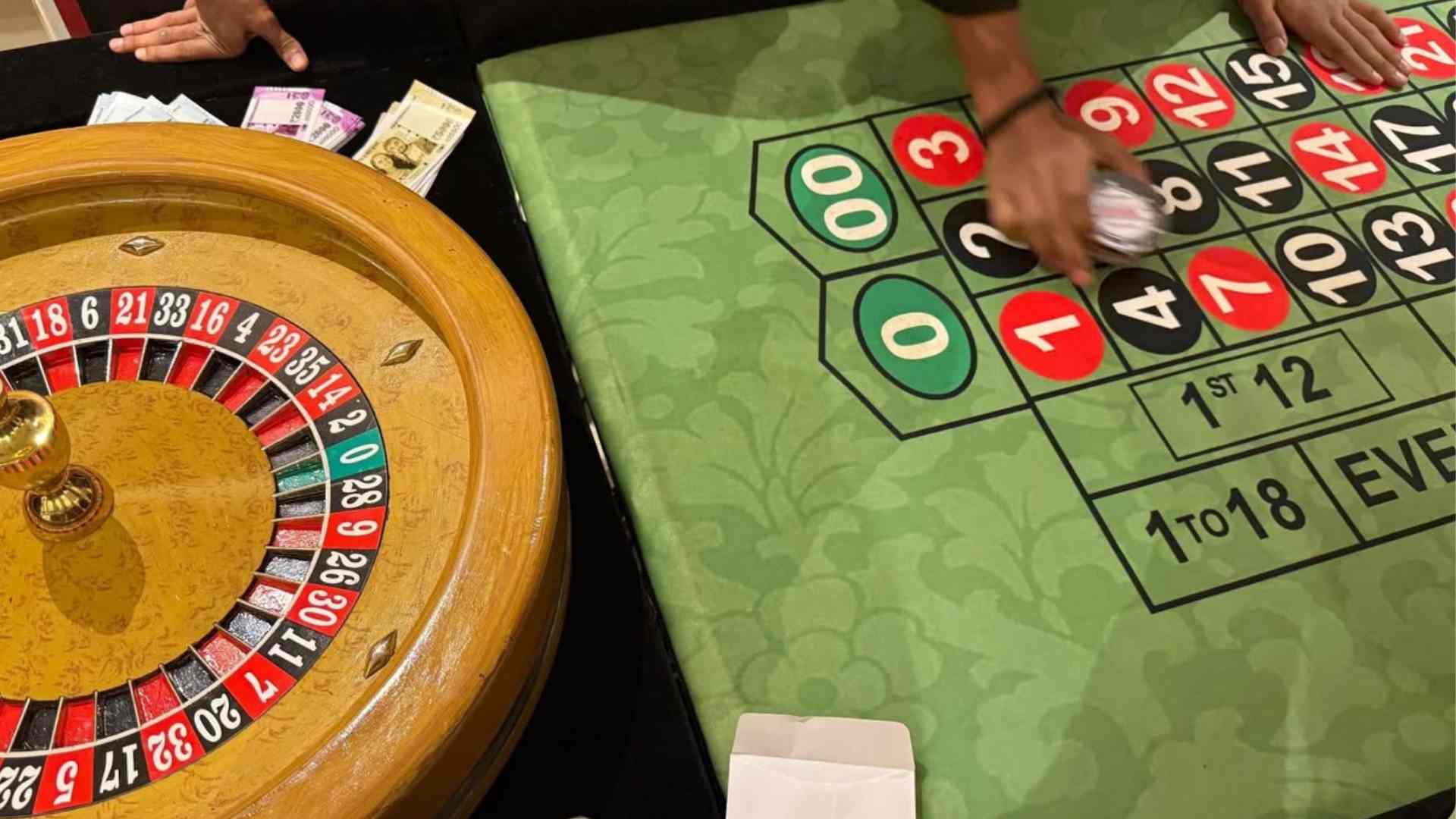
In sports betting, encountering a tie between your wager and the bookmaker's line results in a scenario known as a push. Unlike a standard win or loss, a push effectively neutralizes the wager, returning the initial stake back to the bettor. Understanding how push outcomes function is essential for anyone looking to navigate betting markets with confidence.
The Fundamental Concept of a Push
A push occurs when the final outcome of a sporting event exactly matches the line established by the sportsbook. Because neither the bettor nor the house wins the wager, the transaction is declared a draw. Sportsbooks process this result by refunding the original stake without paying out any winnings or collecting losses.
This outcome is common in point spread and total points betting when whole numbers are used. For instance, if a point spread is set at exactly three points and the favored team wins by three, a push is triggered. Bettors receive their initial money back, leaving their overall account balance unchanged by that specific market.
How Pushes Impact Different Types of Wagers
Single wagers handle pushes in a straightforward manner by fully returning the wagered amount. However, the dynamics shift when a push occurs within a multi-leg parlay ticket. In most sportsbooks, a pushed leg in a parlay does not render the whole ticket a loss.
Instead, the pushed selection is simply removed from the parlay, reducing the total number of legs. For example, a four-team parlay with one push automatically converts into a three-team parlay. Exploring features on platforms like link alternatif m88 can help bettors understand how different sportsbooks calculate revised odds for altered parlays.
Half-Point Hook Lines and Avoiding a Push
Sportsbooks often seek to eliminate the possibility of a push by using half-point increments in their lines. Known in the industry as a hook, adding a half-point ensures that an exact numerical match between the line and the final score is impossible. A spread set at 3.5 points guarantees that every bet will result in either a definitive win or loss.
Bettors who prefer decisive outcomes often look for half-point lines when placing their wagers. Conversely, some handicappers prefer whole-number lines because the push acts as a safety net against exact final margins. Deciding whether to key in on whole numbers or half points depends largely on your personal betting strategy.
Strategic Considerations for Push Outcomes
While a push does not yield a financial profit, preserving your original bankroll is always a preferable alternative to losing a stake. Recognizing when a line carries a high probability of pushing allows bettors to assess risk more accurately. It provides a cushion that protects your capital when final scores align closely with sportsbook projections.
To manage your wagers effectively, always verify how your chosen sportsbook handles tied outcomes across different sports. Certain markets, such as soccer three-way lines, include a tie as a distinct betting option rather than triggering a push. Clear knowledge of these operational rules helps prevent surprises when settling your wagers.